

InA landmark move to reposition the Ogun State Muslim Council (OMC) for 21st-century relevance, the President-General, Alayeluwa Oba Saka Adelola Matemilola, the Olowu of Owu, on Sunday convened a high-level Strategic Retreat at the Aafin Owu in Abeokuta.
The retreat, which brought together a diverse “Think-Tank” of Islamic scholars, professionals, youth leaders, and women’s organizations, served as the first major consultative engagement since Oba Matemilola’s emergence as the head of the apex Muslim body in the State.
Addressing the delegates, the President-General emphasized that the retreat was not merely an administrative meeting, but a “design laboratory” aimed at fostering unity, brotherhood, and a more purposeful Islamic leadership structure.
“Our goal is to build a Council that is not only unified but remains profoundly relevant in the socio-political and spiritual landscape of our State,” the Olowu noted.
While presenting the OMC Strategic document for review by participants, a member of the Retreat Steering Committee, Dr. Akintoye Akindele, explained that it contained implementation framework to reposition OMC through a 30-year long term plan.
“As an umbrella body for all Muslim associations in Ogun State, we have a historic opportunity to redefine our identity, strengthen our institutional framework, and amplify our impact for the benefit of the Muslim Ummah and society at large.”
Dr. Akintoye explained that the retreat is expected to achieve five objectives which include: clarifying and reaffirming OMC’s identity, mission, vision, and core values; define its programmatic focus and operational priorities.
Other objectives are aimed at establishing effective systems for planning, management, and reporting; designing a sustainable governance and financial model; and to expand OMC’s relevance beyond traditional mandates to national development.
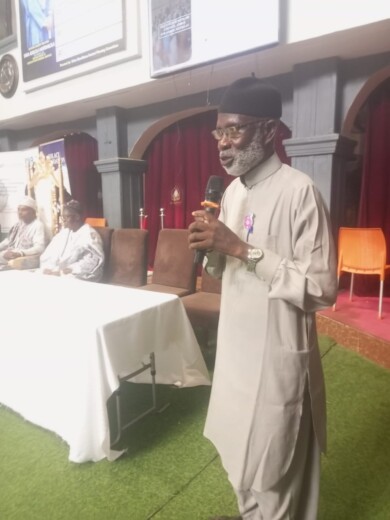
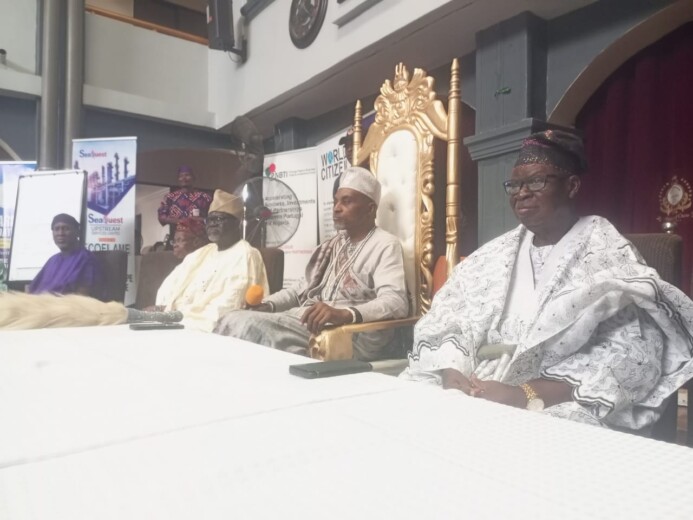
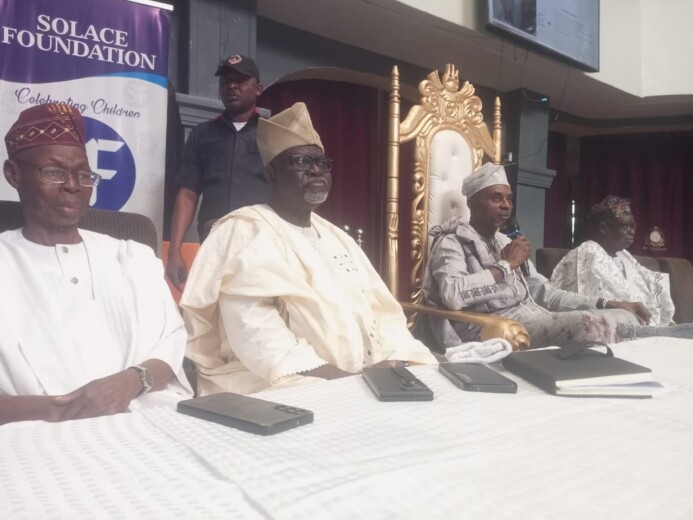
“A cardinal objective of the retreat is to clearly articulate and affirm the identity, mission, vision, and core values of the Ogun Muslim Council (OMC), strengthen the organisational framework, and amplify its impact, for the advancement of the Muslim Ummah and the broader society.”
He added that the retreat is designed to be the “laboratory of ideas,” where distinguished Muslim leaders, professionals, and scholars collectively chart a coherent and forward-looking strategic direction.
In his contribution, the Secretary-General of OMC, Asiwaju Kamaldeen Akintunde, said the ratification of the strategic document of OMC is expected to define the next 30 years vision for OMC.
Asiwaju Akintunde added that this will further be developed into five years roadmap and annual, quarterly and weekly implementation strategies.
Also contributing, another member and expert of the Steering committee Engr. Femi Omotayo further explained that the implementation of the document will enable OMC to be benchmark against global Islamic organisations.
Engr. Omotayo said the committee has put machinery in motion to learn from best practices in terms of structure and implementations.
In his goodwill message at the retreat, former Nigerian High Commissioner to the United Kingdom, Alhaji Sarafa Tunji Isola, reiterated the need for Muslims to be actively participate in politics in order to achieve the required reform.
Ambassador Ishola who showed support to the effort of Oba Matemilola to reposition OMC asked participants to use the opportunity of the retreat to bond and dissect the challenges confronting Muslims.
In their different goodwill messages, the Vice President-General of OMC from Ijebu division, Engineer Fatai Arowolo; his counterpart from Remo, Prof. Habeeb Oduye, as well as that of Yewa zone, Ali Ajibode, enjoined stakeholders to be committed to development of growth and development of OMC.
The session was characterized by the review of several position papers submitted by constituent groups and stakeholders, highlighting a collective desire for a more vibrant and sustainable institution.
A key outcome of the session was the adoption of a “Bottom-Up” consultative approach. Rather than imposing immediate changes, the Retreat resolved to allow delegates to return to their respective organizations with the preliminary outcomes for peer review. This two-month deliberation window is intended to ensure that the final roadmap carries the full weight and consensus of the entire Ogun State Muslim community.
The feedback from these various groups, expected in two months’ time, will culminate in the formal “OMC Strategic Declaration.” This document will serve as the definitive blueprint for the Council’s future programmes, administrative reforms, and its strategic contributions to the development of the Gateway State.
Meanwhile, a renowned legal practitioner and Aare Musulumi of Ijebuland, Chief Musbau Oyefeso, has called for the adoption of an evidence-based approach to reposition the Ogun State Muslim Council (OMC).
READ ALSO: Kudos, knocks as Soludo shuts Onitsha Main Market for one week over traders’ continued observance of sit-at-home order
2027 Muslim-Muslim Ticket: APC debunks rumours of Shettima replacement
Chief Oyefeso also announced a donation of N1 million to support the development of a database system for the Council, aimed at facilitating the realisation of its mission and vision.
He stressed the need for the proper integration of the recommendations of the Public Affairs Committee of the OMC, particularly the collection of data on Muslims and Islamic institutions across the state, to enable a better understanding and appreciation of their needs.
The legal practitioner also offered the services of his law firm to assist in the incorporation of the OMC and any of its subsidiaries non-governmental organisations, to enhance the attainment of the Council’s objectives.
Other dignitaries at the retreat include former Ogun State Commissioner for Information, Dr Lateef Ogunsiji; Mogaji Adinni of Owu, Prof. Moruf Lanrewaju Adelekan; among others.