

Shipping traffic through the Strait of Hormuz has sharply declined amid escalating regional conflict, with major carriers suspending transit without formal closure of the waterway.
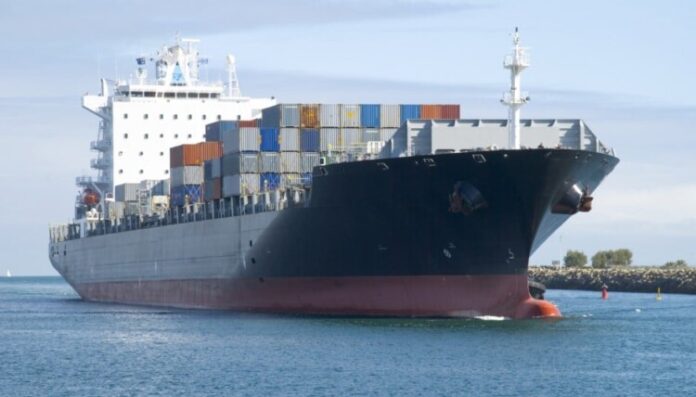
Industry data indicates more than 200 vessels, including roughly 150 oil and gas tankers, are anchored outside the strait, while about 170 containerships remain inside facing movement restrictions.
Global shipping lines including Maersk, MSC, CMA CGM and Hapag-Lloyd have announced temporary suspensions of passage through the corridor.
Security incidents have compounded the disruption. At least three commercial tankers, including the Skylight and MKD Vyom, were reportedly damaged on March 1.
The Islamic Revolutionary Guard Corps has issued public warnings cautioning vessels against transit, contributing to insurers raising premiums and shipowners delaying departures.
Maritime monitoring firms report commercial traffic volumes through the strait have fallen by roughly 70 percent compared with normal levels.
The strait handles between 20 and 30 percent of globally traded crude oil and a comparable share of liquefied natural gas, making it one of the world’s most critical energy chokepoints.
Analysts say a prolonged disruption could push oil prices above $100 per barrel, with some forecasting an immediate spike when markets reopen.
Several vessels have begun rerouting around the Cape of Good Hope, adding significant time and cost to supply chains already under strain.